



















Sustainability
We are part of the global effort to safeguard our planet.
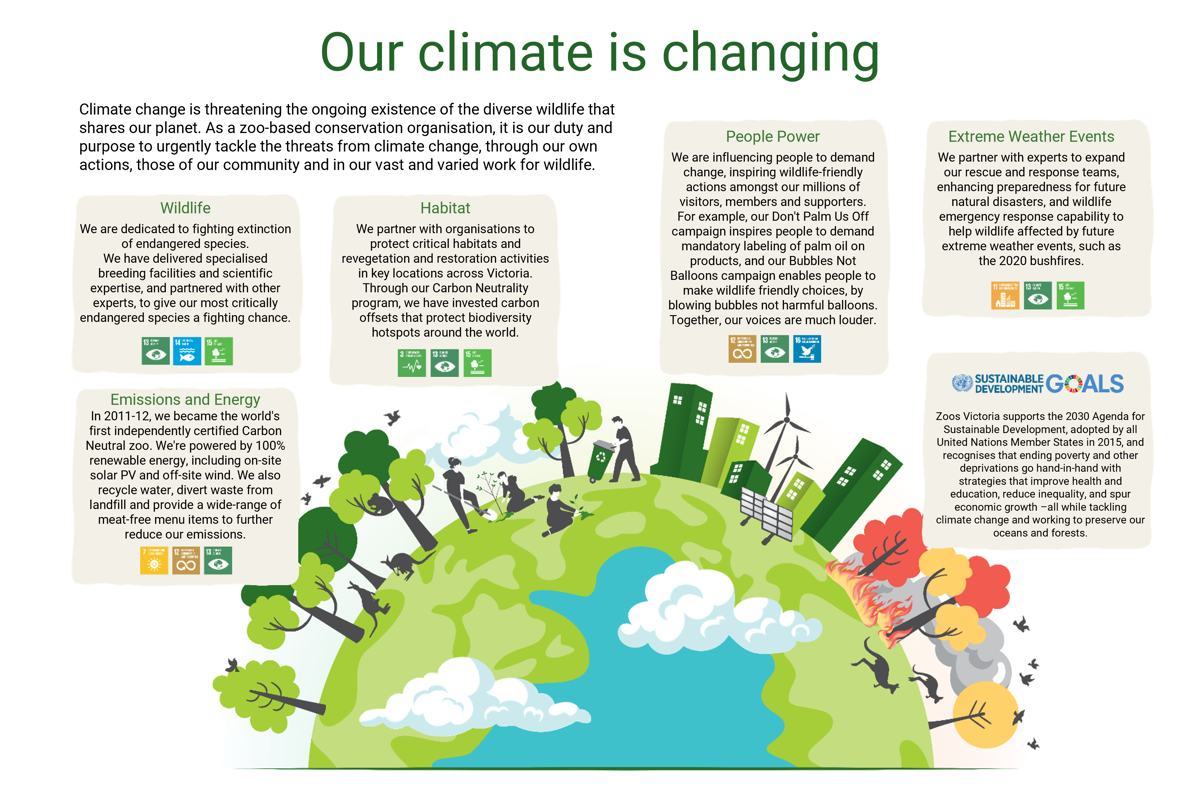
At Zoos Victoria, environmental sustainability is central to our purpose of Fighting Extinction. As the world’s first Carbon Neutral zoo, we are committed to leading by example - reducing emissions, minimising waste, restoring habitat and inspiring sustainable living.
Our approach is guided by science, aligned with the United Nations Sustainable Development Goals (SDGs) and integrated across every part of our operations. From renewable energy and responsible procurement to conservation partnerships and community engagement, we are focused on measurable impact and continual improvement.
Humans are the greatest hope for wildlife. Through collective action, innovation and optimism, we are shaping a future where both people and nature can thrive.
Zoos Victoria’s Environmental Management System (EMS) is the foundation of our sustainability program. Certified to the international ISO 14001 standard, it enables us to manage our environmental impact, strengthen operational efficiency and empower every team to act for wildlife and the planet.
Energy and emissions
We take climate action by reducing dependency on fossil fuels, improving efficiency, transitioning to renewables, and implementing adaptation measures.
Zoos Victoria is powered by 100% renewal energy. Our energy needs are complex and continually evolving, with facilities that include animal habitats, wildlife hospitals, restaurants and offices. Through audits, metering and targeted projects, we continue to improve efficiency across heating, cooling, lighting, insulation and water systems. These efforts have reduced greenhouse gas emissions and created more climate-friendly spaces for wildlife and visitors. Remaining emissions are offset through credible programs that also deliver biodiversity and community benefits.
Zoos Victoria became the world’s first certified Carbon Neutral zoo in July 2011 under the Australian Government’s Climate Active Carbon Neutral Standard (formerly the National Carbon Offset Standard), and we continue our certification today.
Our Climate Active certification Public Disclosure Statements are available here - Zoos Victoria | Climate Active
Water
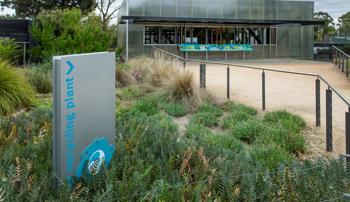
Water conservation is central to our operations. Every day, we monitor use, detect leaks early, activate smart irrigation systems and harvest rainwater where possible. At Melbourne Zoo, around half of all water used comes from Class A recycled water processed through our on-site Water Treatment Plant, supplying animal habitats and irrigation. Werribee Open Range Zoo also reduces its reliance on potable water by accessing recycled water from the Western Treatment Plant.
Waste
We support the circular economy by diverting waste from landfill through reuse, recycling and composting, as well asn managinge hazardous materials responsibly.
At our zoos, all organic waste is composted and reused where practicable. Our Single Use Plastics Policy guides decisions that reduce waste at every level, and we recycle a wide range of materials - from paper to staff uniforms. Zoos Victoria is also a proud partner of Victoria’s Container Deposit Scheme with the Don't Kiss This Frog campaign. This initiative increases recycling rates for cans, bottles and cartons and keeps valuable resources in circulation.
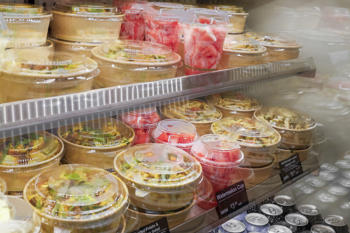
All of the food packaging we sell at our zoos is composted, including coffee cups, salad bowls and even our Coffee for Wildlife bags. The packaging might look like plastic, but it’s actually made from plant-based materials like corn and sugar cane rather than fossil fuels. We also have recycling in place for any unavoidable soft plastics, hard plastics and polystyrene.
Procurement
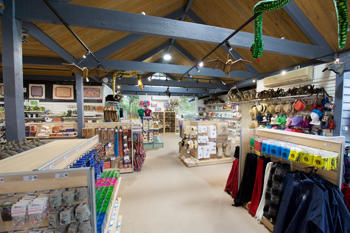
We apply Environmental, Social and Governance (ESG) principles to prioritise environmentally and socially responsible suppliers and adopt circular economy practices.
At Zoos Victoria, sustainability means caring for the environment, supporting people and communities, and making ethical and transparent decisions. ESG helps us choose products, partners and practices that reduce harm and create positive impact for wildlife, people and the planet.
Environmental
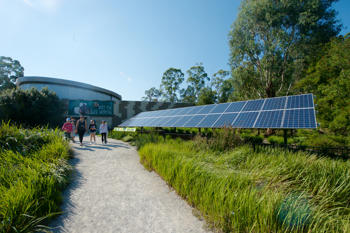
We cut emissions, use low carbon products, improve energy efficiency, reduce waste and support circular systems where materials are reused, not wasted.
Social
We support the wellbeing of humans by supporting First Peoples-owned businesses, promoting fair wages, and safety, and rejecting child labour and cruelty.
Biodiversity
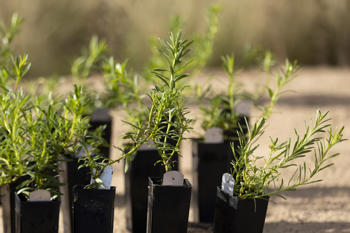
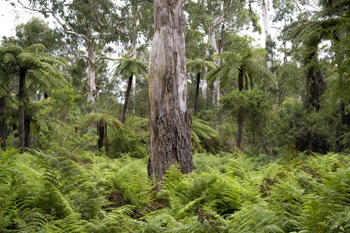
We undertake ongoing assessments of biodiversity at each zoo and enhance on-site habitats to support local wildlife and Threatened Species.
Each of our zoos is part of its local ecosystem, providing important refuge for native plants and animals. Here are some of their unique ecological features:
-
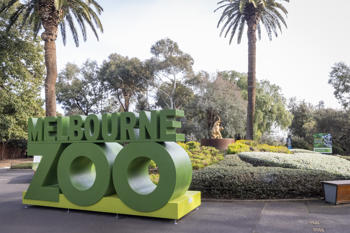
Melbourne Zoo: nestled within Royal Park’s urban bushland, this zoo supports a surprising diversity of native wildlife – including birds, frogs, reptiles, microbats and possums — right in the heart of the city.
-
Werribee Open Range Zoo: set along the Werribee River, this zoo protects vital grassland and wetland habitats that sustain native flora, waterbirds and even the elusive platypus.
-
Healesville Sanctuary: covering 142 hectares of remnant Yarra Valley forest, this zoo safeguards five key vegetation zones that provide habitat for local wildlife and rare plant species, including orchids found nowhere else in Victoria.
-
Kyabram Fauna Park: this zoo includes a wetland that is a habitat for around 35 bird species each year and is home to threatened wildlife such as the Broad-shelled Turtle.
Community
We strengthen education, improve on-site storytelling, and empower community participation in sustainability efforts.
Zoos Victoria has a range of approaches to activate community participation in conservation efforts. We share what we know and we learn from others. This includes zoo experiences, conservation campaigns, school and youth education programs, and adult education programs. We are an active contributor to the networks we belong to, including the Zoo and Aquariums Association in the Oceania region and World Association of Zoo and Aquariums. We also provide training and consultancy services for anyone looking to level up their sustainability initiatives.