















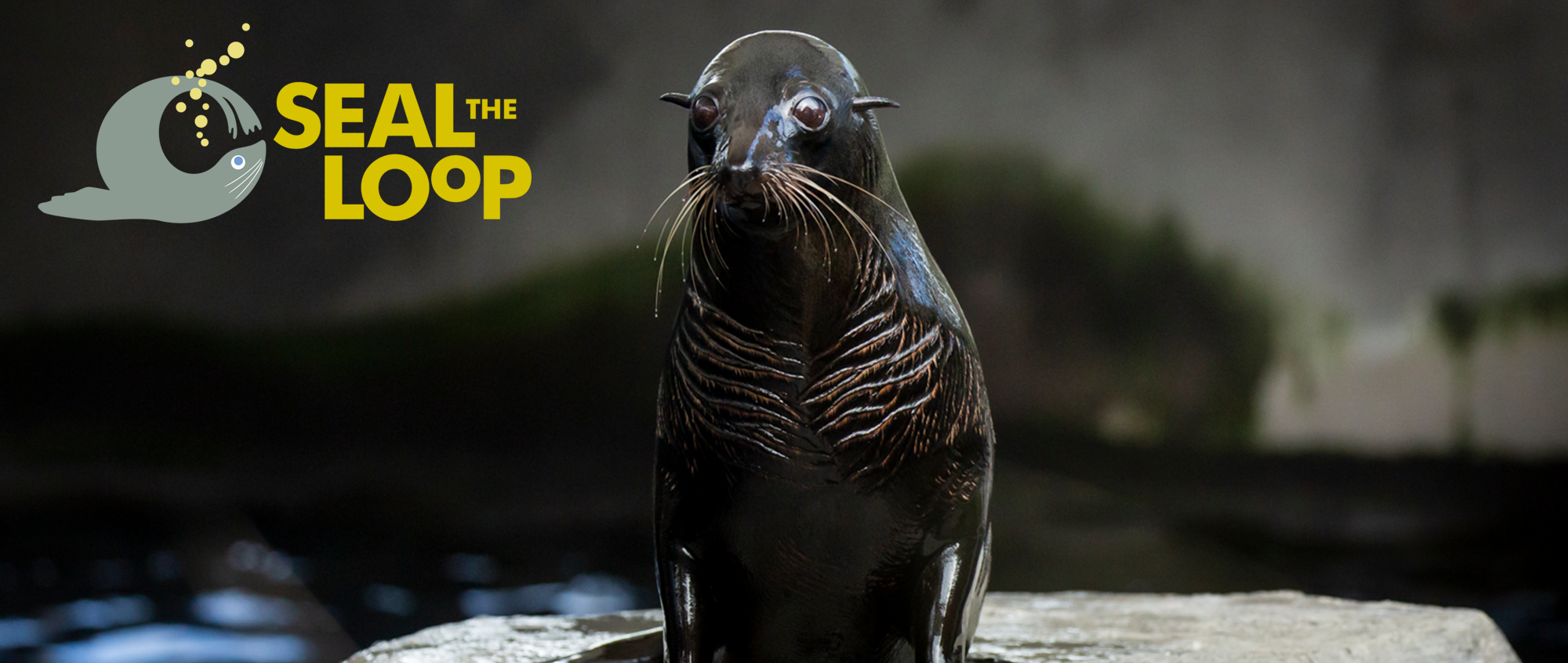
Seal the Loop
Zoos Victoria and Victorian Fisheries Authority are working together to untangle the threats to aquatic wildlife by installing Seal the Loop bins.
Each year in Victorian waterways, many aquatic animals ingest or become entangled in discarded fishing gear, such as line, hooks, netting and rope.
Abandoned fishing tackle is the deadliest type of marine litter ingested by seals, and long-term Victorian studies show that seals, particularly juveniles, are regularly injured or killed after becoming entangled in discarded fishing gear. With Victorian waters being home to several important seal breeding colonies, it is especially important that we reduce the amount of abandoned fishing gear along our coastlines.
Zoos Victoria’s Seal the Loop bins help to keep all aquatic wildlife safe by providing anglers with an easy way to responsibly dispose of unwanted fishing gear.
There are currently more than 300 brightly coloured, recycled plastic bins installed at popular fishing locations across Victoria. So far, these bins have collected over 70km of fishing line, and tens of thousands of hooks, sinkers and bait bags.
In addition to keeping fishing litter out of the environment, it is also important to keep a safe distance from aquatic animals while fishing, in order to keep them wild. This is because habituated wildlife is more likely to steal fish from anglers, and get caught in fishing gear.
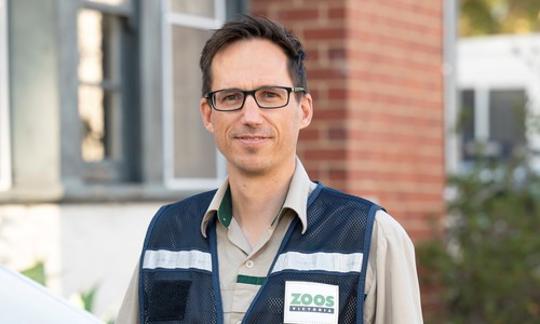
“There are lots of simple ways you can keep seals and other wildlife safe when fishing. Remove fishing line from the water when wildlife is at risk of interacting with it, clean your fish away from the water's edge or at designated cleaning locations, dispose of scraps in a rubbish bin, and place unwanted fishing gear in a Seal the Loop bin.”
- Mark Keenan, Marine Response Unit.
Install, use or maintain a Seal the Loop bin.
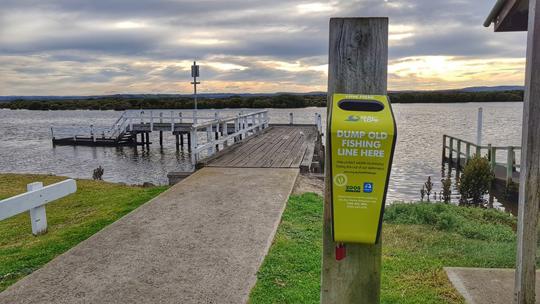
Seal the Loop bins are monitored and emptied through the amazing work of local bin custodians.
These custodians also provide us with important information to help measure the amount of fishing litter collected each year.
You can ask your local council or community group to install a Seal the Loop bin and help save your local aquatic wildlife.
Want to help out?
Are you interested in getting a Seal the Loop bin near you? Complete a registration form.
Once we receive your application, we will be in touch to let you know how you can collect your bin and get started as a custodian of Seal the Loop.
Already a Seal the Loop bin Custodian?
If you have any questions about how you can get involved, or for more information, contact the conservation campaigns team.
Seal the Loop is a partnership between Zoos Victoria and the Victorian Fisheries Authority, proudly supported by Melbourne Water.